Humanitarian Response
For more than 50 years, DAI has worked alongside governments, donors, and communities responding to humanitarian need—from reconstruction in Haiti and conflict response in Ukraine to famine prevention in Somalia and recovery programming across the Middle East. Combining technical depth, operational reach, and local partnerships, we can move quickly and deliver effectively in complex and rapidly changing environments.
NEWS & INSIGHTS / EARLY WARNING / RAPID DEPLOYMENT / DISASTER RISK / SUPPLY CHAINS / GRANT MANAGEMENT
DAI’s humanitarian work is led by David Quinn, Head of DAI’s Humanitarian Affairs Practice. He has designed and led emergency operations in some of the world’s most complex environments and was awarded an MBE for services to public health during the COVID-19 pandemic. His experience exemplifies the operational judgment and technical leadership DAI brings to humanitarian response.
As the humanitarian sector continues to grapple with localization, anticipatory action, and the nexus between emergency response and long-term development, DAI works with partners to develop practical approaches that strengthen both immediate response and longer-term resilience.
Early Warning, Research, and Analysis
Understanding where a crisis will hit hardest—and getting that information to decision makers before the window for action closes—is a critical form of humanitarian intervention. The ability to anticipate, analyze, and communicate risk in real time saves lives and enables more effective targeting of scarce resources.
DAI combines new technologies with contextualized analysis to support preparedness and crisis response. Through the U.K Foreign, Commonwealth & Development Office’s (FCDO) Flood Early Warning Service, for example, DAI coordinated a scientific partnership that delivered same-day inundation assessments and structured daily briefings during 14 tropical cyclone events, informing decisions on the prepositioning of humanitarian assistance.
In Lebanon, our water sector programming demonstrated how field-level data can be translated into practical recovery priorities. Rapid conflict damage assessments were combined with vulnerability screening and water quality monitoring to prioritize life-saving repairs and strengthen local capacity for continuity planning.
Rapid Deployment of Technical Assistance
In a crisis, the window for action is often narrow. The ability to deploy the right technical expertise quickly is frequently the difference between a response that works and one that does not. That requires people who understand the context, operate well under pressure, and can translate knowledge into practical decisions.
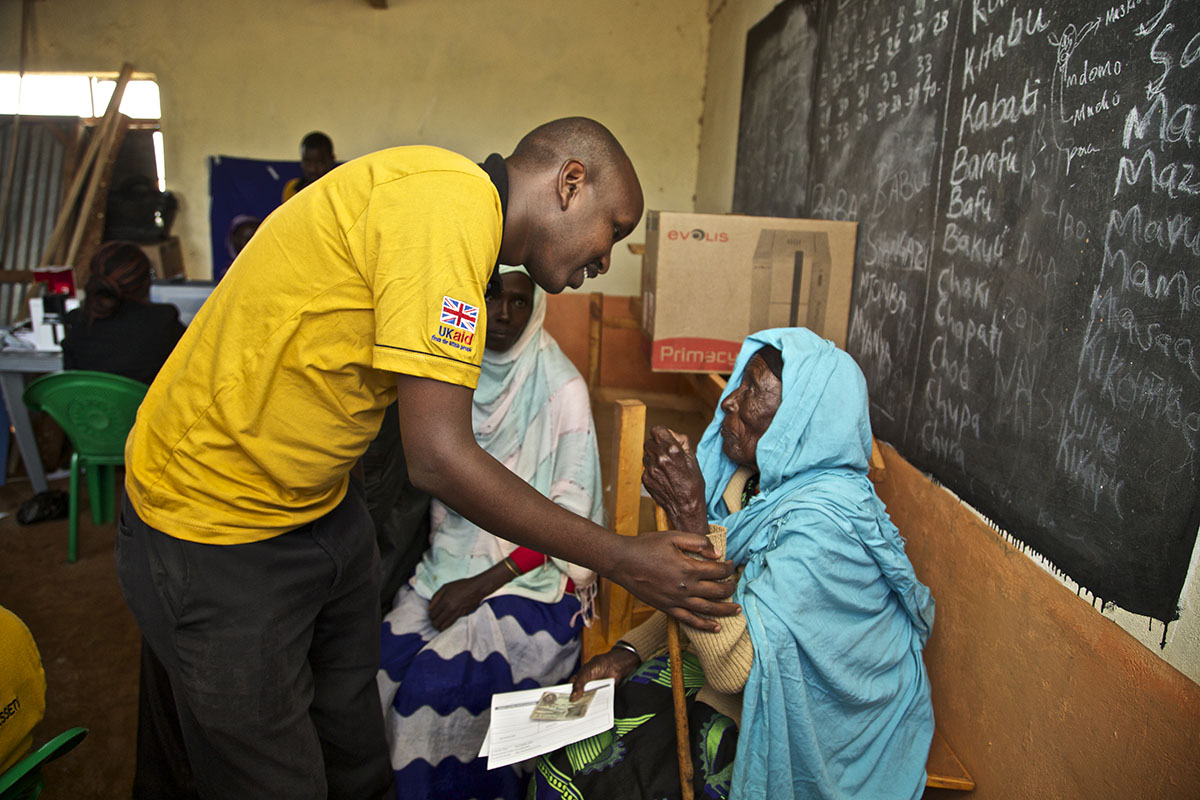
Through the FCDO’s Expert Advisory Call Down Service (EACDS1 and EACDS2), DAI delivers rapid-response technical support across resilience, crisis response, and humanitarian programming. DAI also helps governments and donors strengthen systems that can respond more effectively when emergencies occur through the FCDO-funded STAAR Facility, which provides independent technical assistance at the intersection of humanitarian assistance and social protection.
Disaster Risk Management
The most effective humanitarian response begins before disaster strikes. Investments in institutions, early warning systems, and community resilience that reduce exposure to shocks—and support faster, better coordinated responses when crises occur—consistently lead to stronger outcomes than reactive programming alone.
DAI supports countries to strengthen pre-disaster planning and financing arrangements, including through the DAI-managed Centre for Disaster Protection, contributing to the continued growth of pre-arranged disaster finance globally.
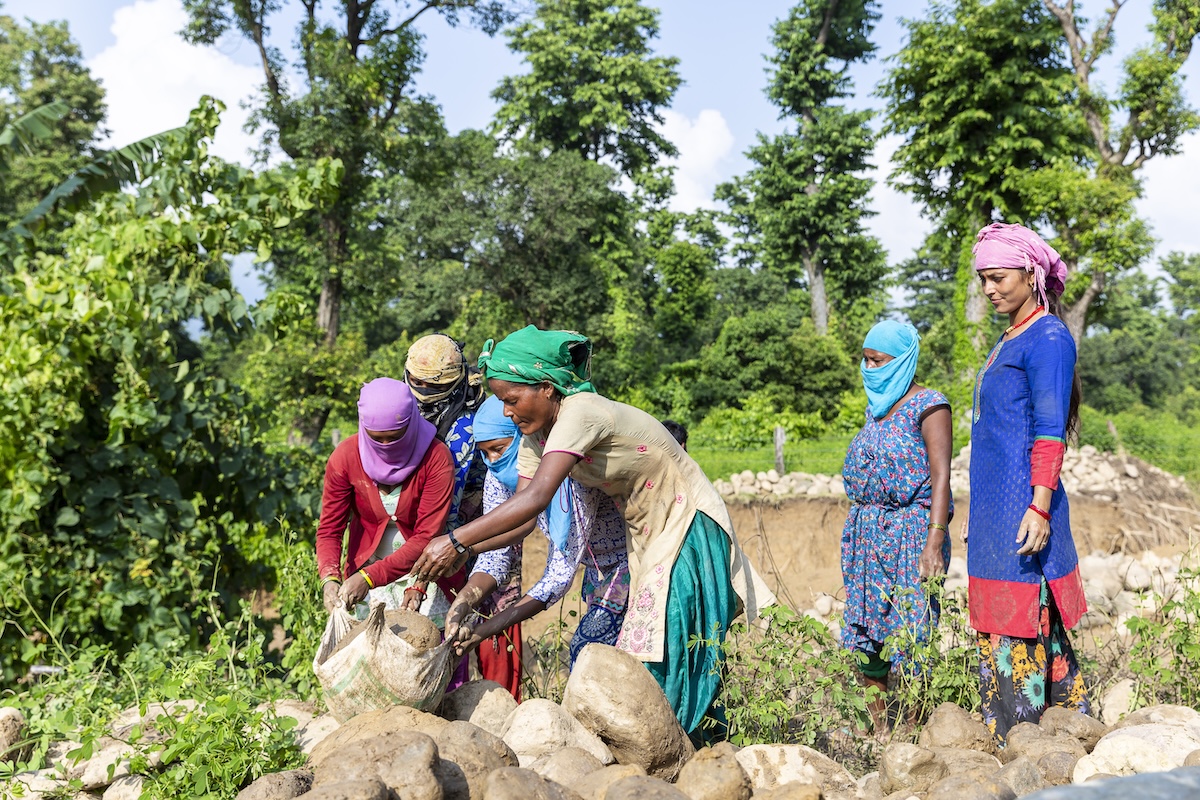
In Nepal, the Improved Disaster Risk Management Project (Tayar) applied these principles at both national and local levels by supporting the establishment of a National Disaster Training Academy, strengthening early warning systems, and working with municipalities on risk-sensitive land use planning and building retrofitting.
Procurement, Supply Chains, and Cash Programming
When lives are at risk, the speed, reliability, and accountability of supply chains and payment systems become humanitarian imperatives. Delivering goods to affected communities—or cash to households that need it most—requires robust systems, experienced procurement teams, and the flexibility to adapt rapidly as conditions on the ground change.
In Ukraine, DAI delivered $40 million in emergency supplies to frontline communities, including assistance following the Kakhovka Dam disaster. DAI also equipped local authorities with fire extinguishers, chainsaws, extension cords, and other essential tools to maintain civil protection services and meet the needs of citizens, including internally displaced people. In Kenya, the Hunger Safety Net Programme delivered emergency cash transfers to 2.1 million people, supporting vulnerable households while sustaining local markets and production systems. In Lebanon, DAI supported the restoration of water and sanitation services through the procurement of construction works and in-kind materials for local water utilities, combining urgent repairs to war-damaged infrastructure with longer-term investments in service continuity and system sustainability.
Grant Management
Grants are one of the principal mechanisms for channeling support to the local organizations and community actors closest to a crisis. Managing them effectively in fragile and conflict-affected environments requires rigorous systems, adaptive oversight, and sustained investment in partner capacity.
Protracted crises require grant management approaches that can adapt to changing conditions while maintaining support to local partners and markets. In Haiti, the Resilience and Agriculture Sector Advancement project continued operating despite gang violence, displacement, fuel shortages, border closures, and flooding. The project responded by adjusting grants, rerouting markets, and introducing resilience measures while coordinating closely with humanitarian and development partners. As conditions shifted, programming expanded into humanitarian market support.
Across our work, grants help strengthen the local organizations and institutions that remain long after international programs have closed, while also providing a flexible mechanism for delivering support in complex environments.
Read the latest insights from DAI experts sharing lessons from the field on new approaches to partnership, local leadership, and operational delivery as the sector responds to rising humanitarian need, constrained resources, and increasing geopolitical complexity.